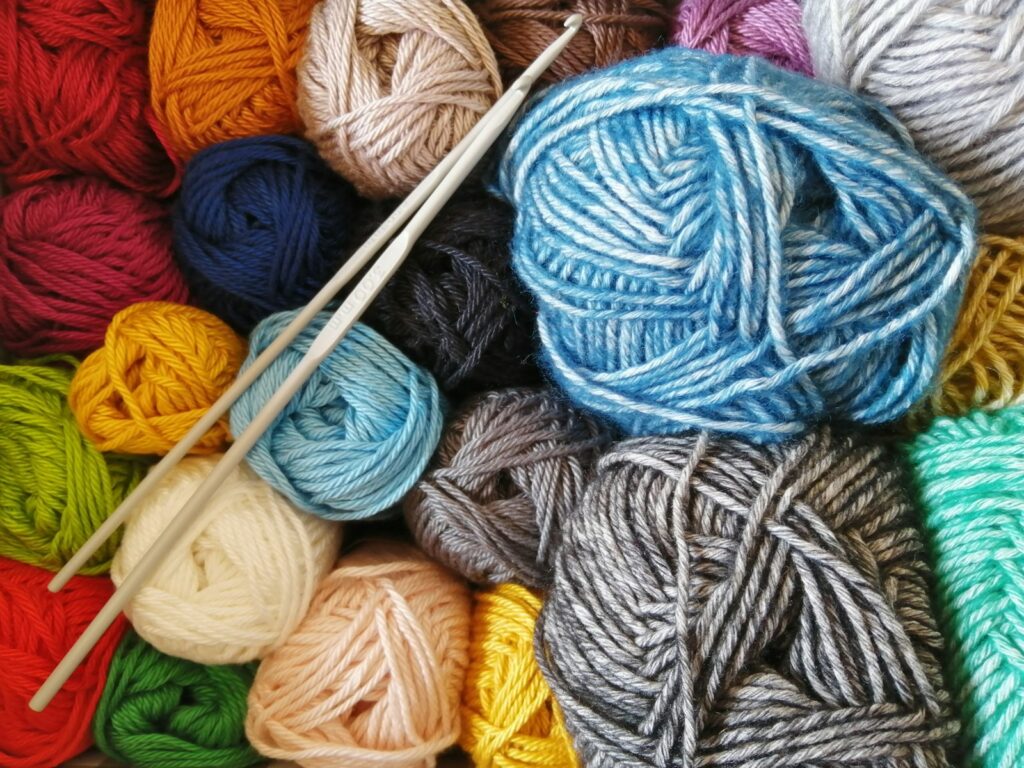
Wool originates from sheep, while cashmere, which is finer and softer, comes from goats. Both are suitable for clothing.
What is wool and where does it come from?
Occasionally referred to as fleece, wool derives from certain animals including sheep, goats, and alpacas. It is used to create clothes and blankets and is a firm favourite in the winter thanks to its ability to keep wearers warm. Australia is the largest producer of wool globally, accounting for around a quarter of the market.
What is cashmere and where does it come from?
Cashmere’s fine fibres come from the undercoats of goats and are ideal for delicate knitted garments. While sheep are sheared to obtain the wool, cashmere is gathered by hand in the spring when the goats shed their coats. Cashmere is not as freely available as wool and combined with its added delicacy and softness, it is more expensive. Mongolia, China and India are some of the countries that harvest the long fine fibres from goats. The cashmere from these countries is considered the best in the world as the goats grow warm thick coats to survive in temperatures of around minus forty.
What else can I create as a hobby?
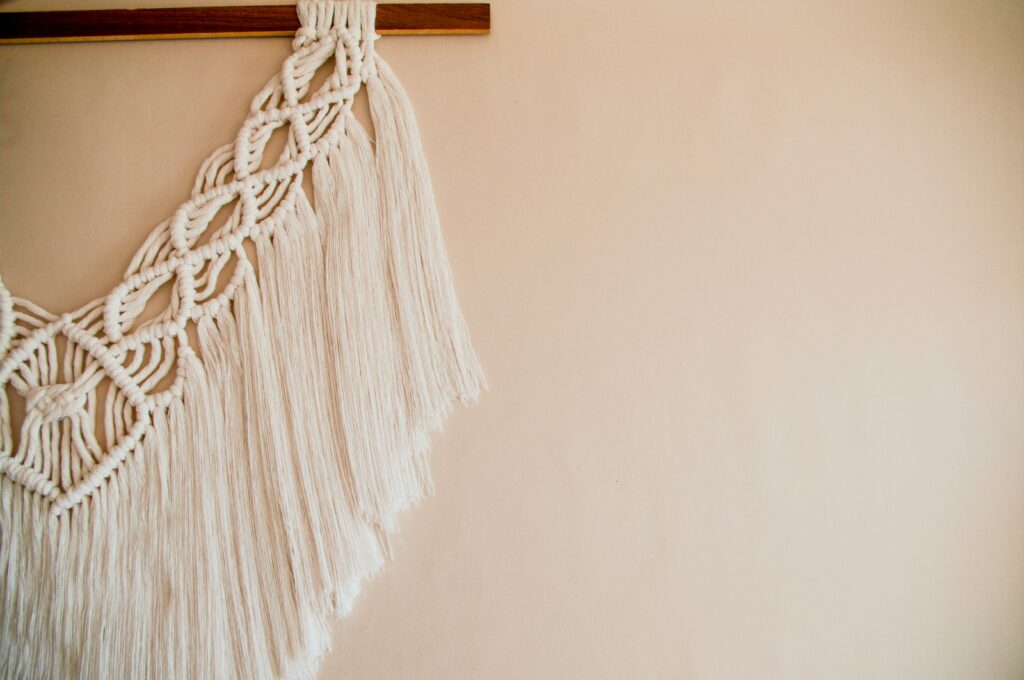
Cashmere is a luxurious yarn that can feel decadent to use for your knitting, crochet or macrame projects. If you have never tried macrame, then a great way to experiment with this very on-trend craft is with a macrame kit. Also perfect as a gift, such kits can be obtained from specialists such as https://www.woolcouturecompany.com. If you are new to the craft, Prima magazine gives an overview of the seven knots needed to master this technique.
Which should I choose – wool or cashmere?
Both wool and cashmere garments will ensure you stay warm. However, as the fibres of cashmere are fine, the garment can hold in the heat without having extra weight added on. The thicker fibres of the sheep’s wool allow the garments to be more durable, but a sweater or scarf will feel rougher on the skin than cashmere.
Judging whether cashmere is worth the price
Cashmere is made by separating the fine down from the coarse hairs in the undercoat of specially bred goats, including cashmere, down and pashmina goats. The fibres are usually around 5cm long and no more than 19 microns across, and the name comes from the Kashmir region on the border of India and Pakistan. In many places the definition of cashmere is strictly regulated.
Its higher price reflects the cost of gathering the raw fibre and processing it into a garment. Cared for properly, by washing it by hand and never wringing or twisting it, a cashmere jumper is durable and can last for many years.
Whether it is worth paying for depends on taste and budget. Some high street jumpers offer good quality at more modest prices, while premium labels sometimes charge for better quality and sometimes just for the name. Feel the softness and thickness, try it on, and check the label for care details and whether it is pure or blended.